Plan Your
Visit
Welcome to the Dublin Mountains an area of outstanding natural beauty, offering a wide range of outdoor experiences for all ages and abilities. Whether you are planning a quiet walk, an adventurous cycle, a family outing or simply some time to reconnect with nature, this is your guide to making the most of your trip.

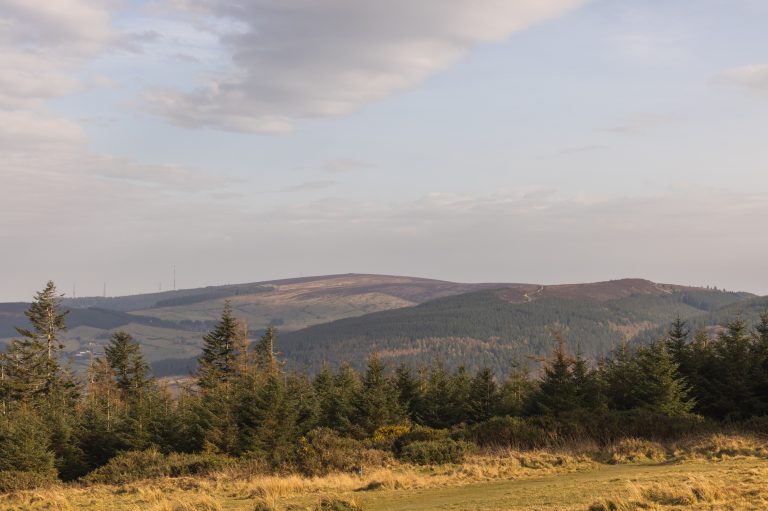
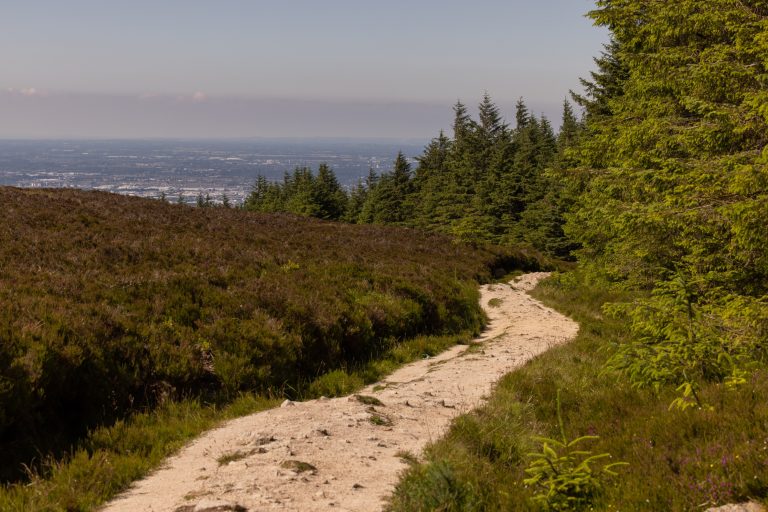
The Dublin Mountains are easily reached from Dublin city and neighbouring counties, making them a convenient choice for a day outdoors. Most routes bring you along winding roads that rise gradually into the hills, offering glimpses of forest plantations, open moorland and wide views across the city. Driving in the mountains can be slower than in urban areas because roads may be narrow, uneven or busy on fine weekends, so it is sensible to allow extra time for your journey.
Parking areas vary in size, and some fill quickly at peak times, so arriving early helps avoid frustration. It is also worth checking in advance whether any parking charges or seasonal opening hours apply. Once parked, many trails begin only a short walk away, making the car a practical way to reach more remote parts of the range.

Although buses do not travel deep into the mountains, several services run to suburban areas that sit close to popular access points. These routes make the mountains surprisingly reachable for visitors who prefer not to drive. It is best to review bus timetables before leaving, as services can vary by time of day and by season.
When you get off the bus, expect a short approach walk along quiet roads or minor lanes before you reach the main trail heads. This gentle start can be a pleasant way to ease into your visit, giving you time to adjust to the change in atmosphere as the sounds of the city fade and the natural environment becomes more noticeable. If you are planning a later return, remember to check the time of the last bus and keep an eye on your route and daylight hours.

If you live or are staying in nearby suburbs such as Rathfarnham, Stepaside or Ballycullen, you can begin your adventure straight from your front door. Well-used paths, greenways and quieter roads gradually lead uphill and provide a natural transition from urban life to the quieter rhythms of the mountains. Walking or cycling gives you the freedom to stop at viewpoints, explore side paths or simply enjoy the gradual climb.
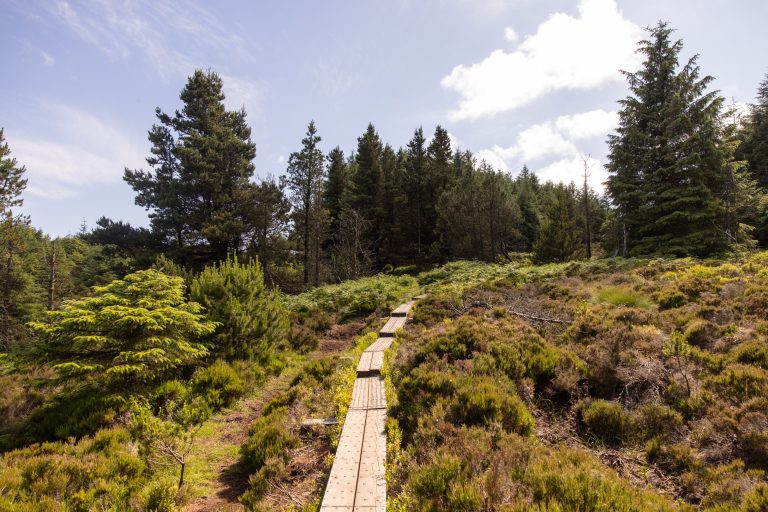
The terrain varies widely, ranging from smooth tarmac and compact gravel to steeper forest tracks and uneven rocky sections. Because of this variety, it is helpful to choose a starting point that matches your fitness and comfort level. Cyclists should be prepared for sustained climbs and occasional fast descents, while walkers may want to carry a small pack with water, layers and a map. Travelling under your own steam is a satisfying way to reach the mountains and allows you to fully appreciate the changing landscape.
Explore and
enjoy
When planning your day, think about what you need to bring. Sturdy footwear is important because surfaces can be uneven, steep or slippery, especially after rainfall.
Dressing in layers helps to adapt to sudden shifts in temperature, and a waterproof jacket is useful in all seasons. It is sensible to carry water, snacks, a map or GPS device and a small first aid kit. Mobile coverage can drop in higher or more remote areas, so do not rely on your phone alone. Before leaving home, check the weather forecast, choose a route suitable for your group and let someone know your plans.